We’re finally on the last episode, and what a shame it is to be over already! I’m really gonna miss this one, it’s been an absolute treat to watch!
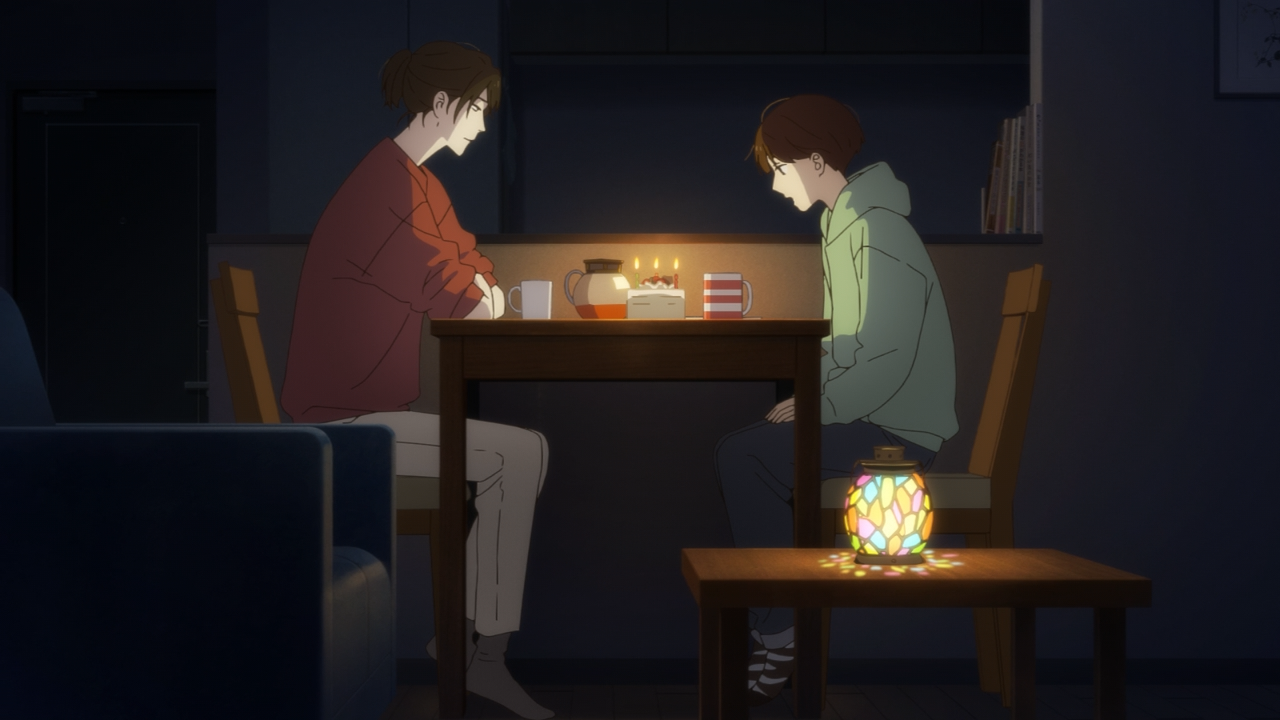
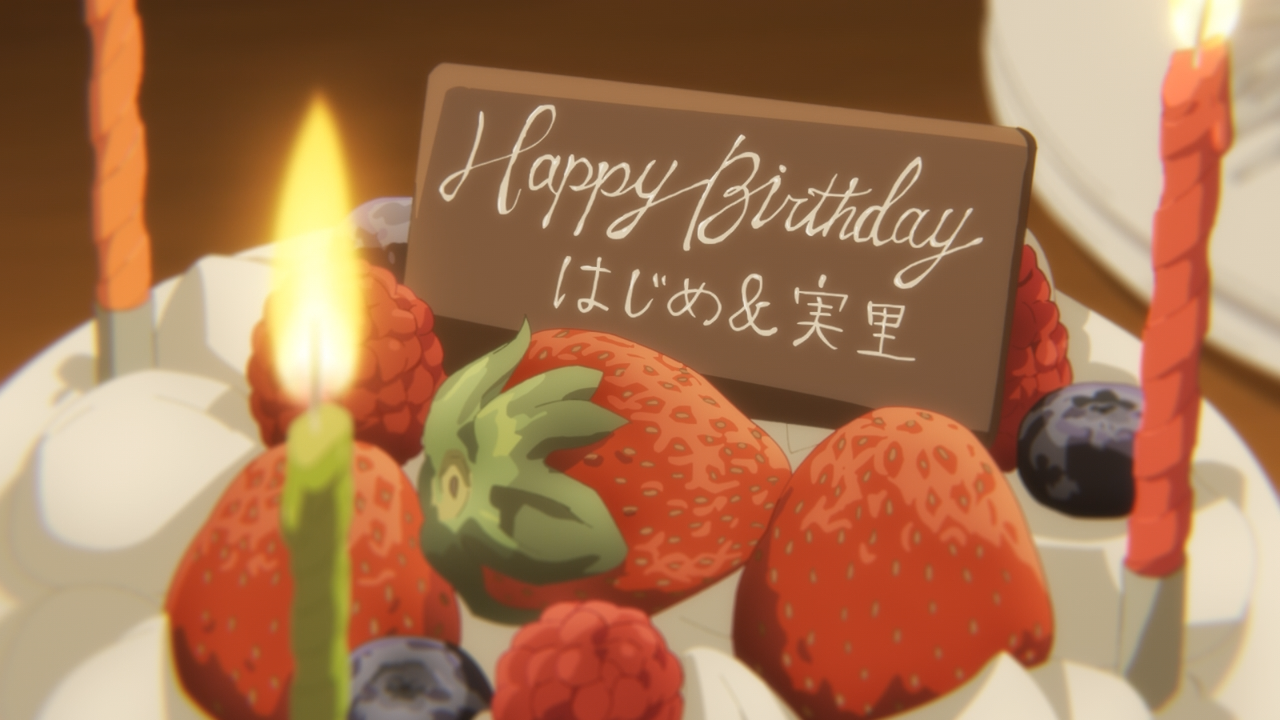
It was a certainly a heartwarming way to wrap things up, including the birthday celebration of her Asa’s parent’s lives. But the highlight of the episode for me was seeing just how much Asa has grown as a character. We saw that much when she told Chiyo that everyone’s problems matter.
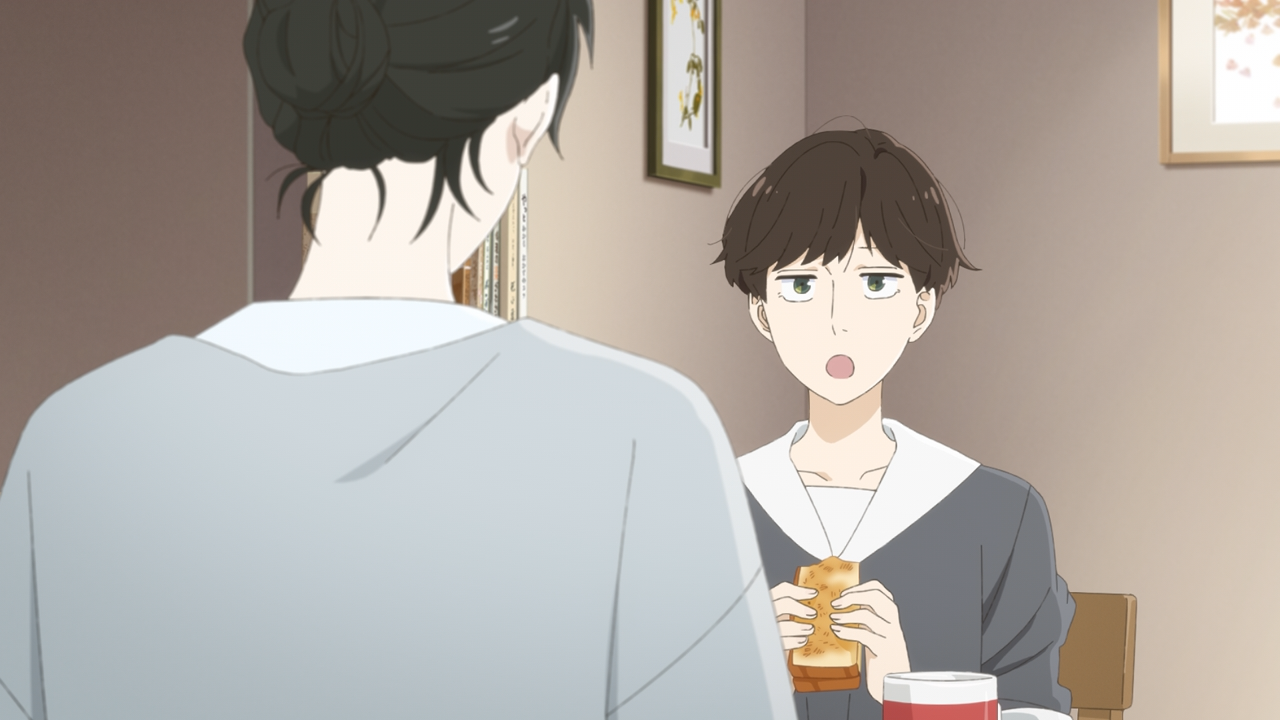
Since things were wrapping up (and to be honest, it was tad rushed), we saw Makio share wisdom on a variety of different issues, but sometimes the conversation would happen so abruptly, to a point there wasn’t really much of an actual build up to it. So I’m somewhat left to believe it’s supposed to be interpreted more so perceived as conversations that Asa was remembering in that moment when she was mentally preparing on the day of her performance.
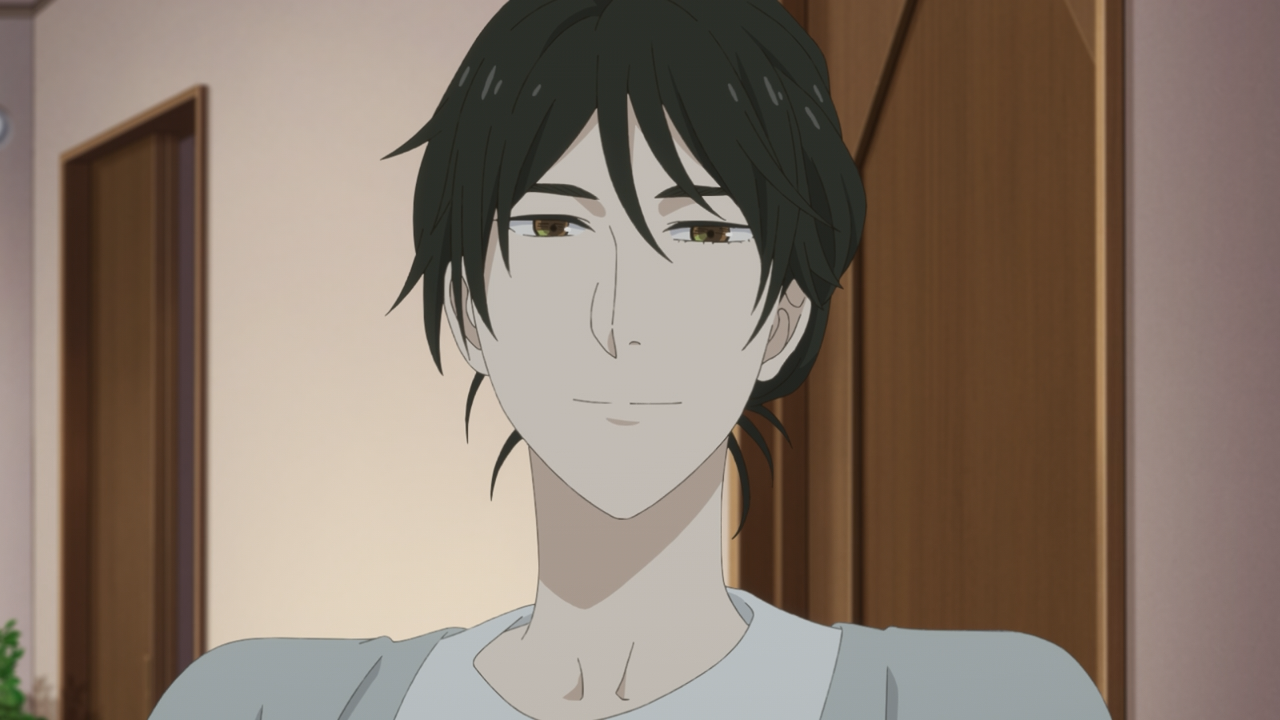
When Makio talked about the consequences that follows when some novelists look for themselves on the internet, she nailed it on the head how some become fixated on seeing whether their works are liked or not. (And this also can apply to just about anyone who’s does or creates things that receives receptions from the public.) The scary part about this habit, especially in the age of the internet, is seeing the bad comments who dislike you or/and their your. To be constantly hurt like that wears you down, so the only option left is to affirm and desensitize, so that it can’t hurt you anymore. The problem with this though, freezing your emotions to that extent means broadly shutting down your feelings– which includes prevents your heart from being moved for good things. And when you put it that way, that’s a heavy trade-off in exchange not to feel pain or be hurt.
But what she didn’t mention was how seeing those comments can demoralize some into believing they aren’t good at what they do, or they are just sick and tired of being beaten around for being too good could eventually lead to them quitting their craft/job altogether. (Take the student baseball player who had quit the team for instance). And it’s a sad and unfortunately a very real thing (as I have witnessed happen on a number of creators), especially if it’s something that they are extremely passionate about. But considering the subject of the matter was about the cost of numbing yourself, it makes sense that this wasn’t brought up, as it’s actually a negative alternative that just comes at a different price, which giving up your passion because you can’t handle the pain/onslaught of being disliked.
“No matter what you do for others, it’s very unlikely you’ll ever change their heart or actions. Most of your efforts won’t bear fruit, let alone earn acknowledgement or gratitude.” – Makio
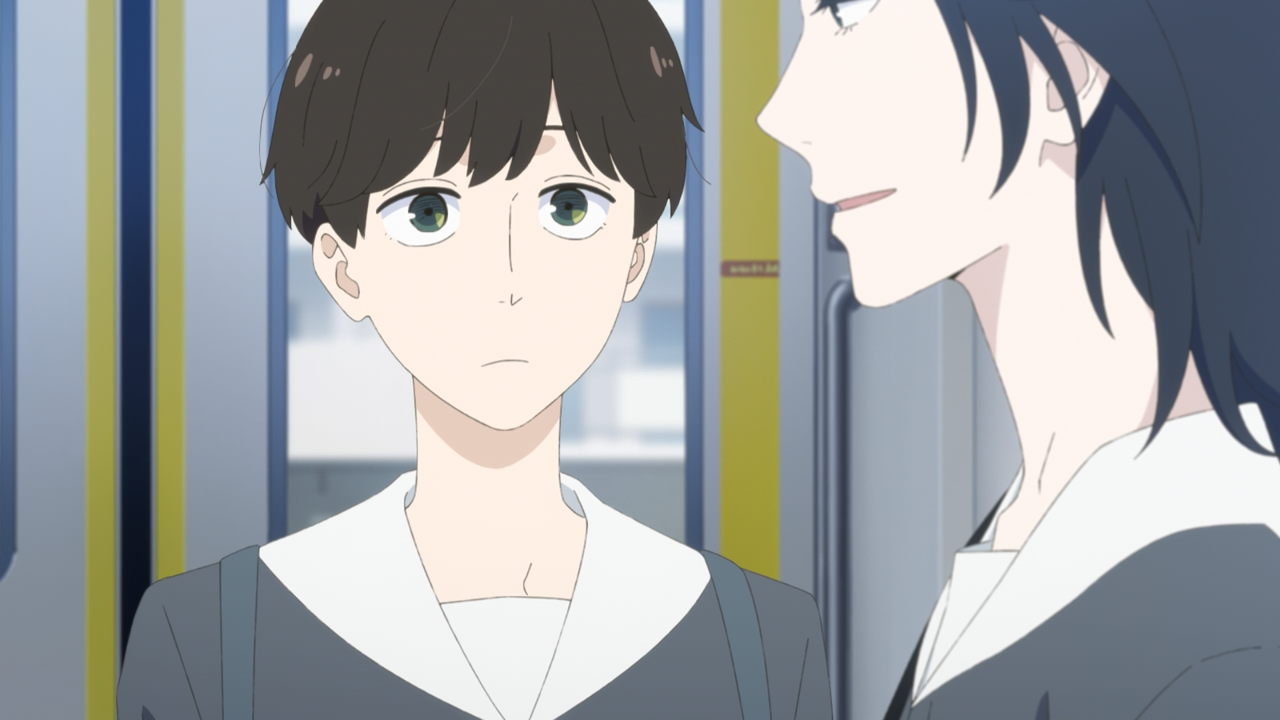
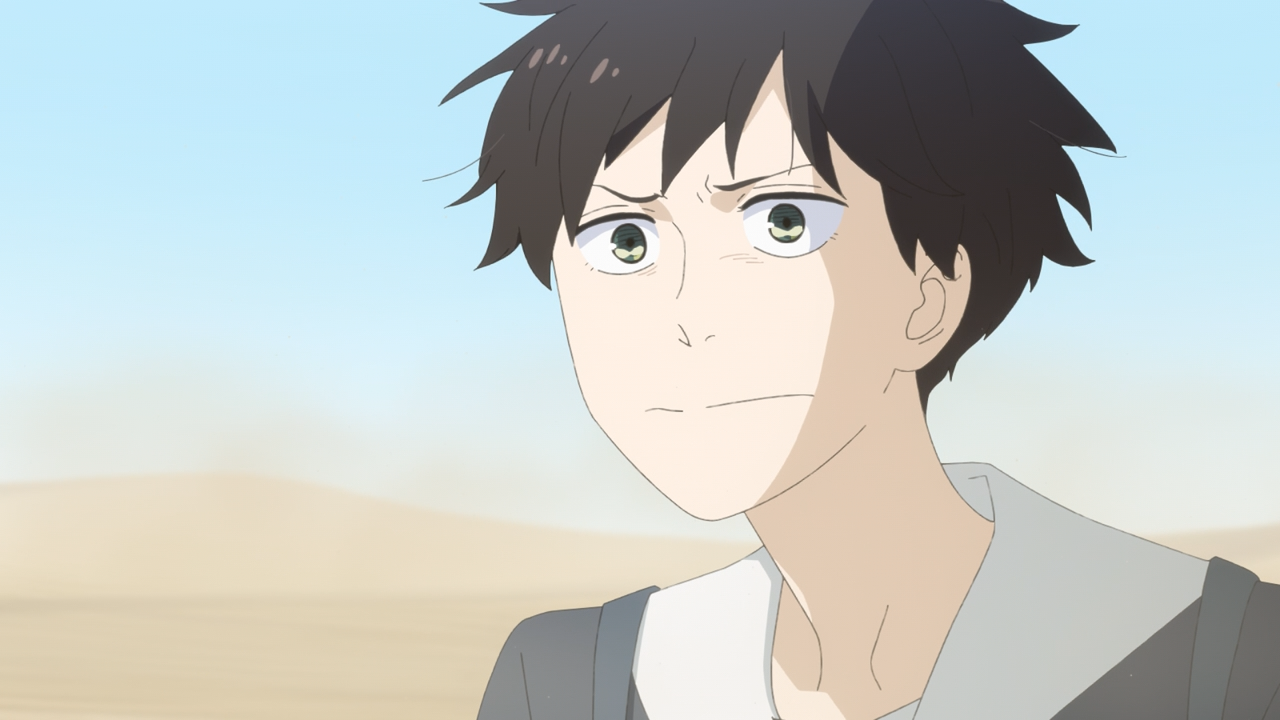
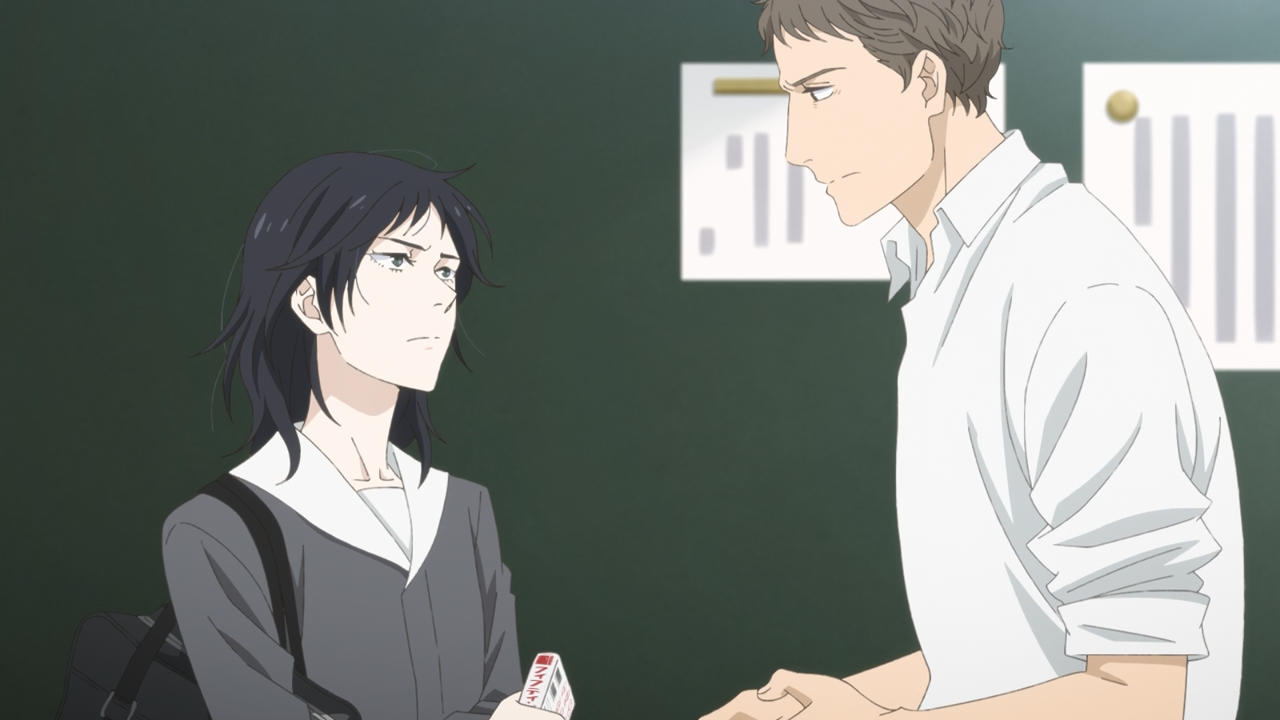
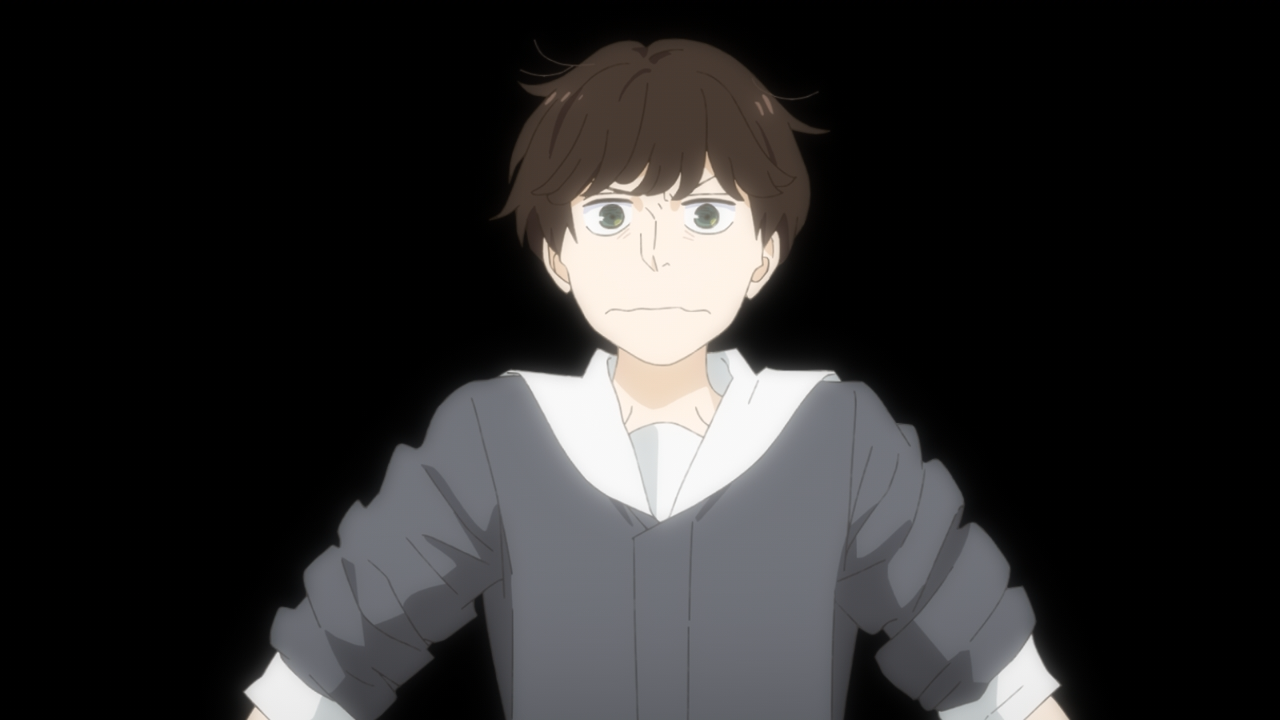
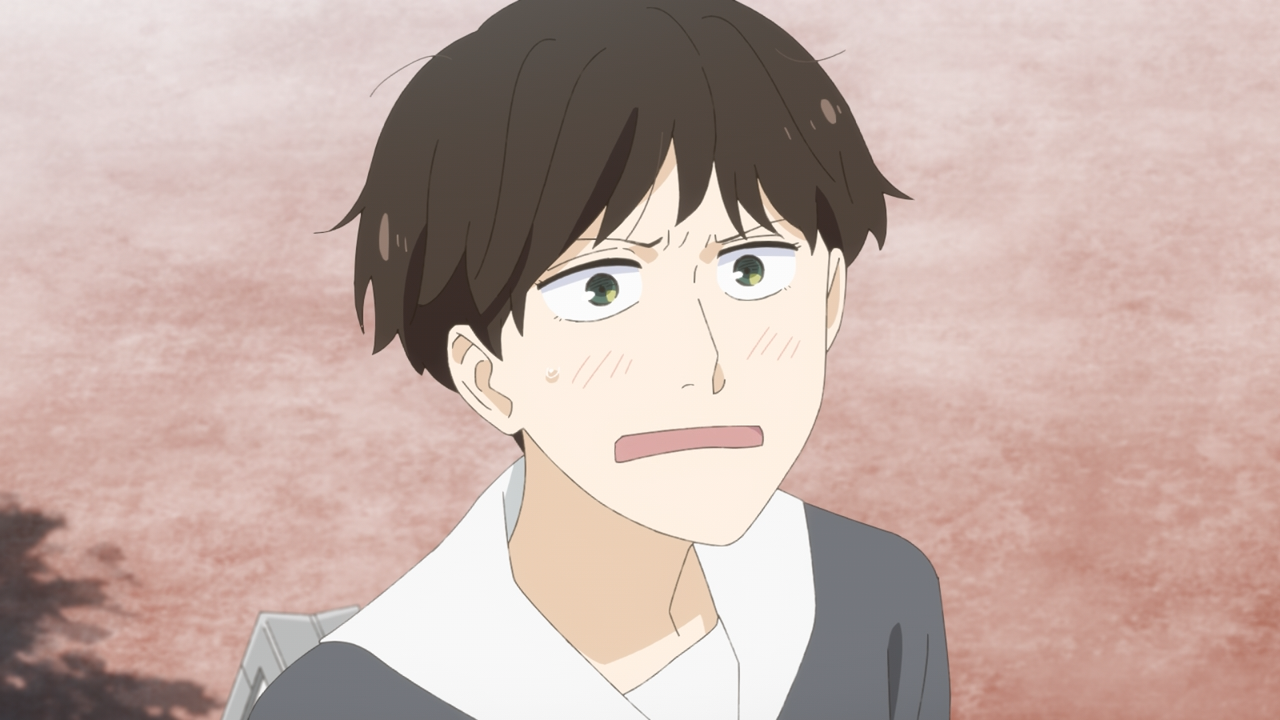
Another very real point Makio made this episode was talking about how sometimes your efforts to reach one’s heart or motivate them to change their actions will be utterly futile. We saw this with Togo desperately trying to help support Chiyo. He had found a petition online and was thinking about sharing it with his friends too because he didn’t want to see her and others suffer. You can tell from Chiyo’s expression that she wasn’t really in the mood for it, to the point she seemed frustrated to even hear it brought up, and may have even consider Togo as someone being too nosy. But perhaps she’ll one day look back to that moment and realize how precious his sincerity was to change things.
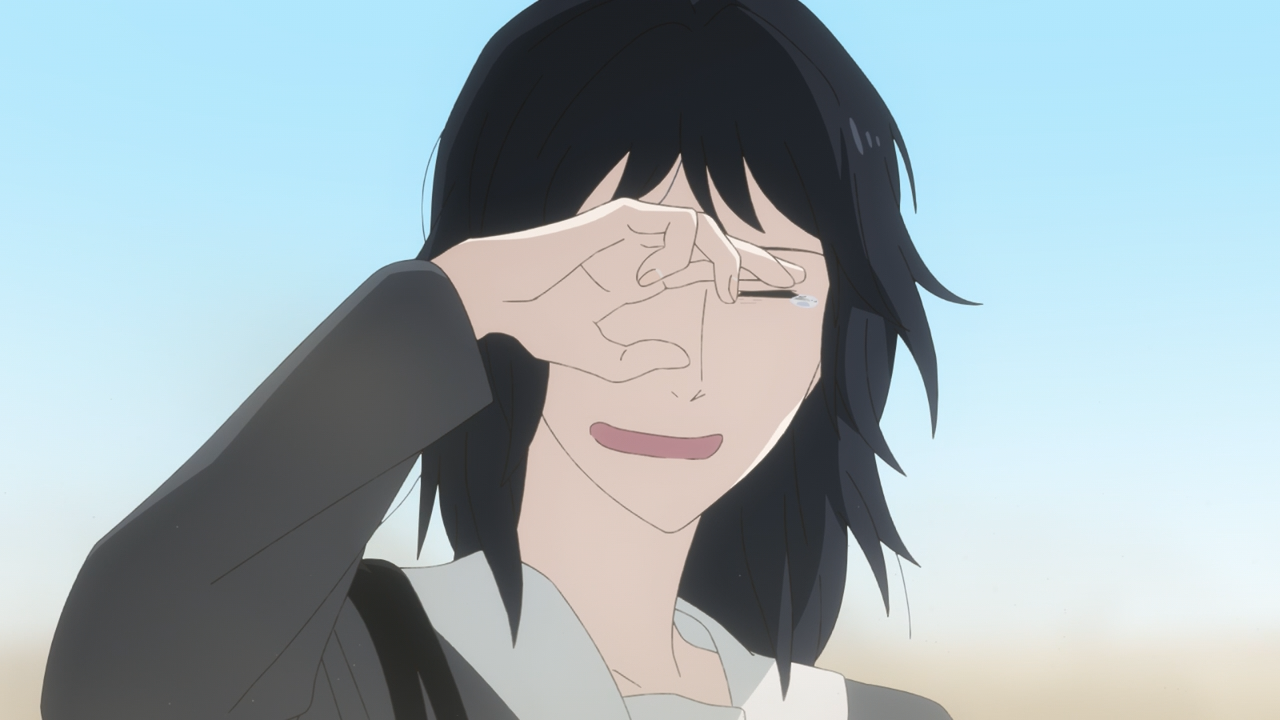
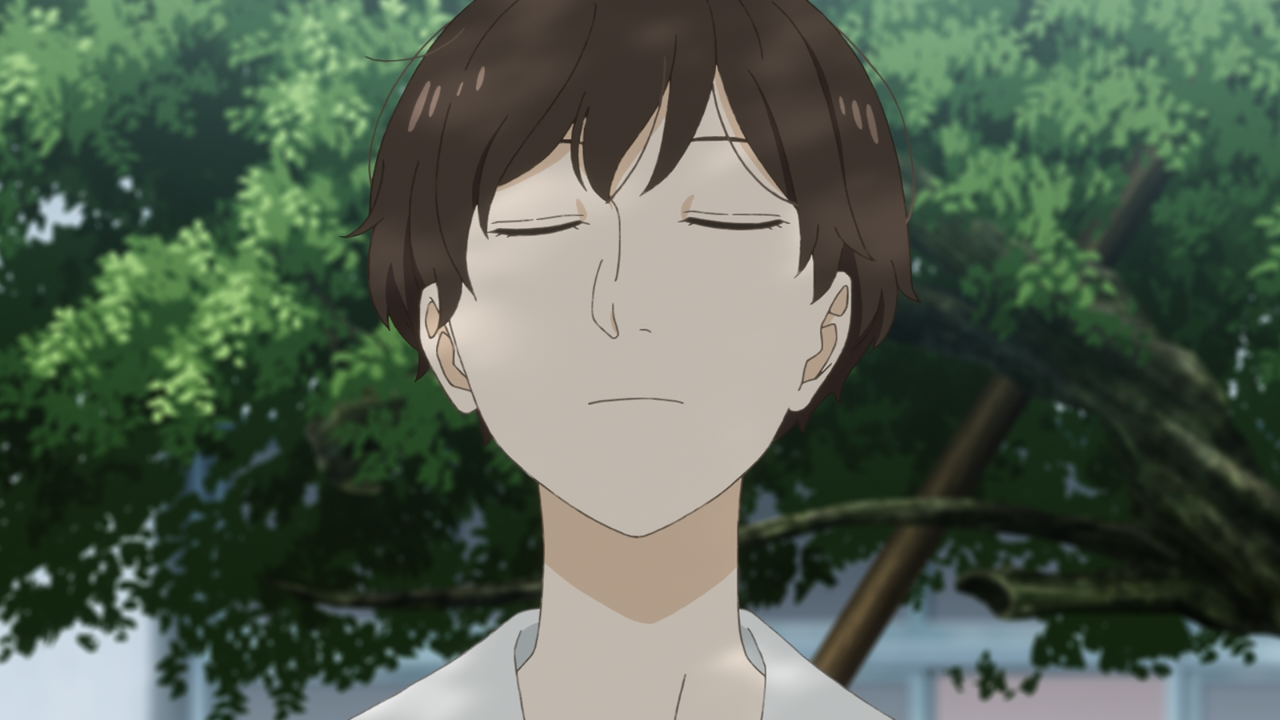
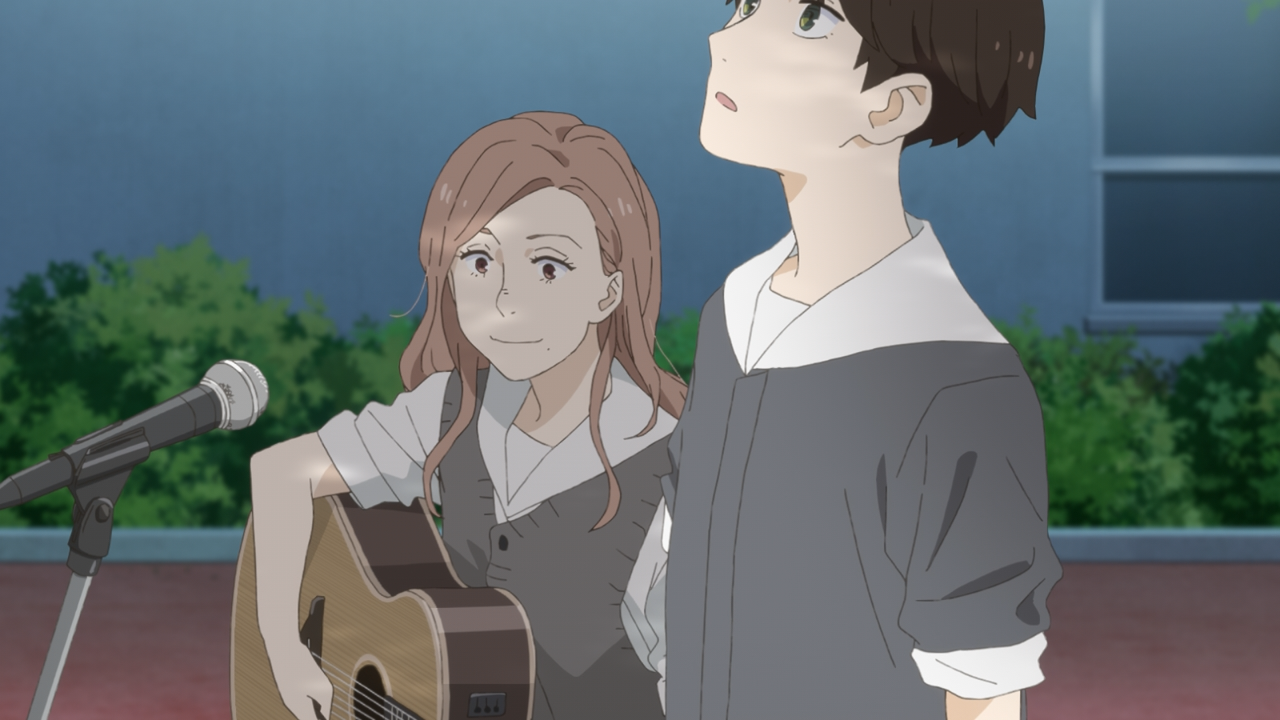
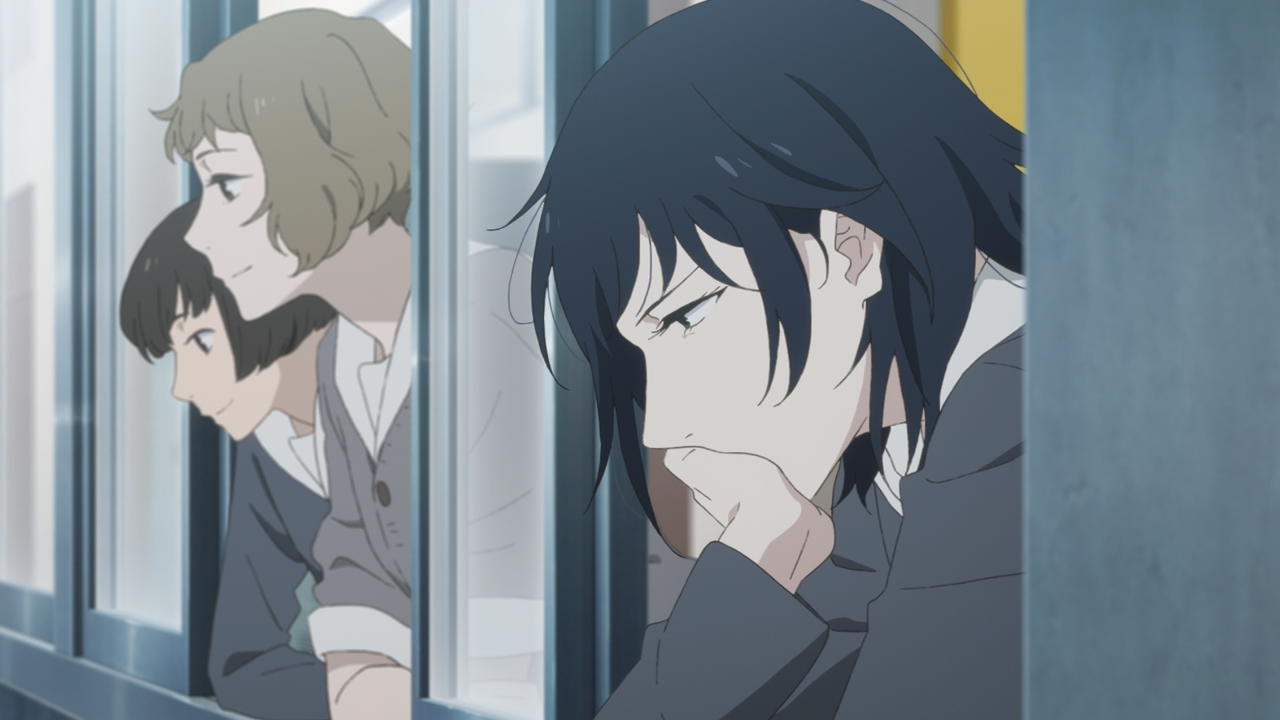
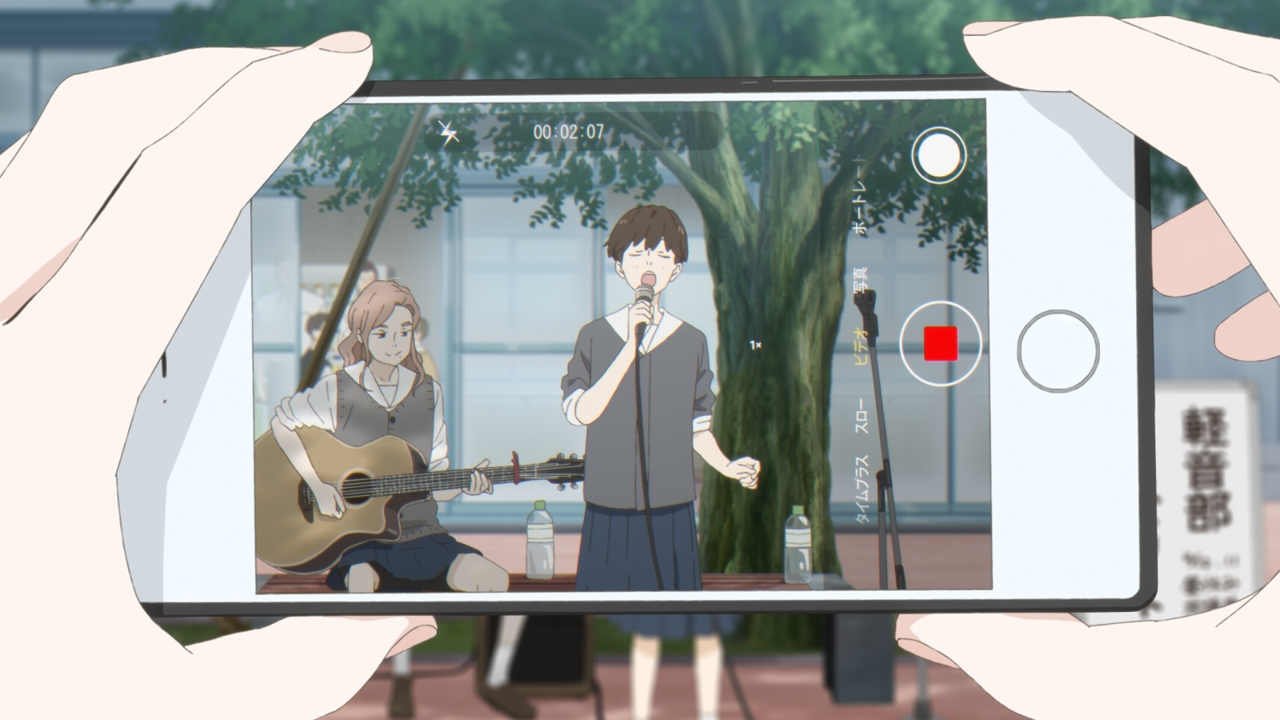
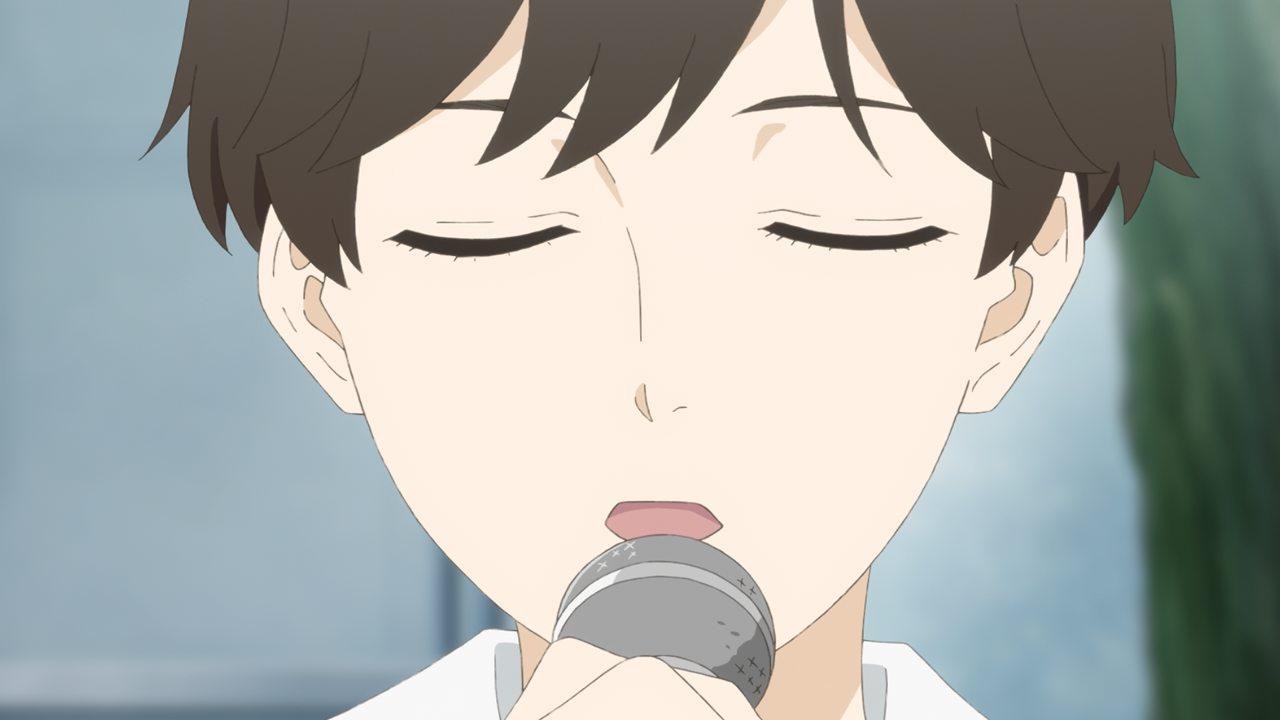
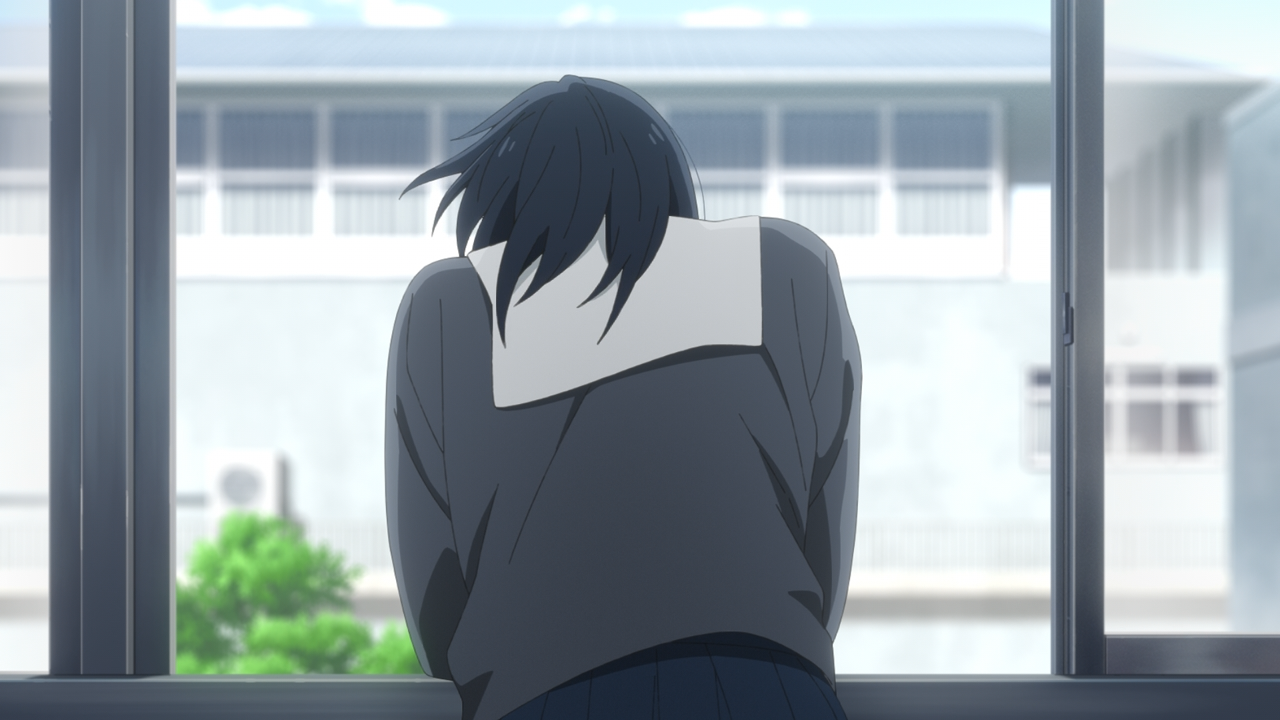
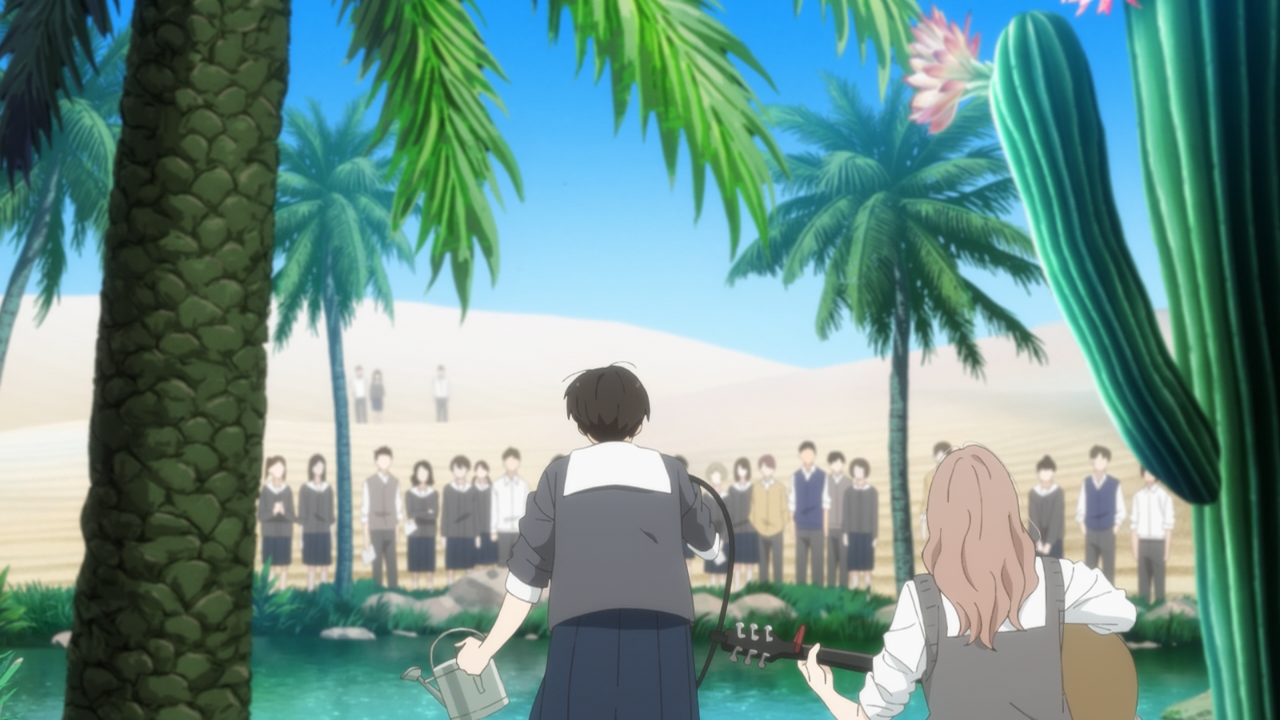
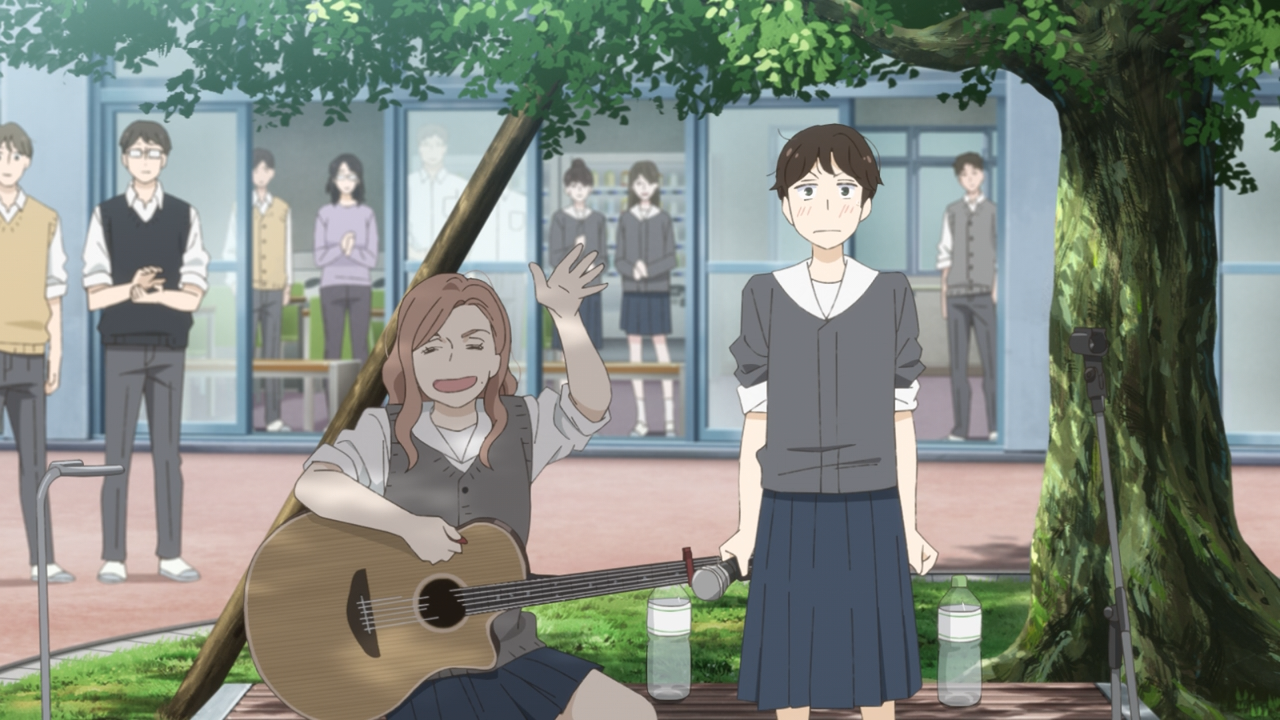
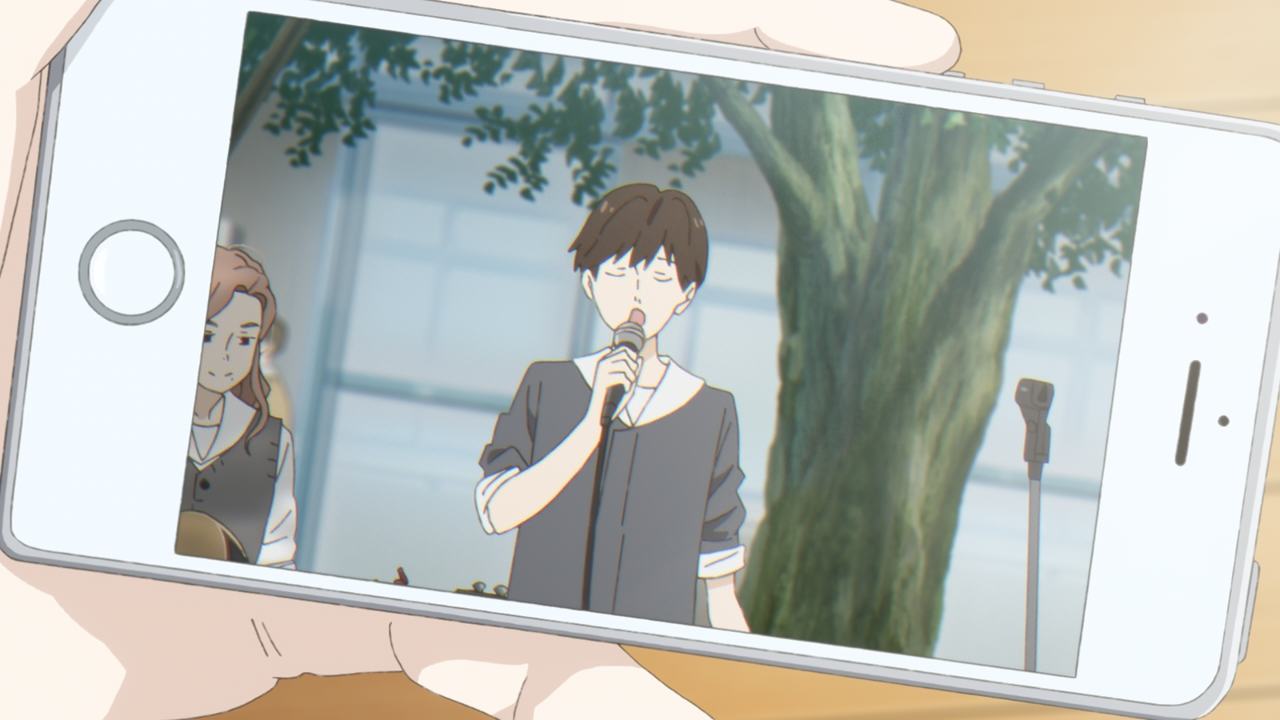
Speaking of Chiyo, even though she had decided to finally return to school, despite her strong face you can tell she’s still deeply depressed and is struggling. She had even asked Asa whether she ever felt like her life was over. Asa took great offence to that because she’s alive, and will stubbornly continue to live no matter the hardships. But we can see that’s not the same for Chiyo, which is why she remarked Asa’s stronger than she is. Even when Asa had asked her to come and watch her performance, Chiyo looked like she had begrudgingly forced herself too, wallowing in her bitterness. Hearing her sing her song did seem to reach her as Asa had hoped.
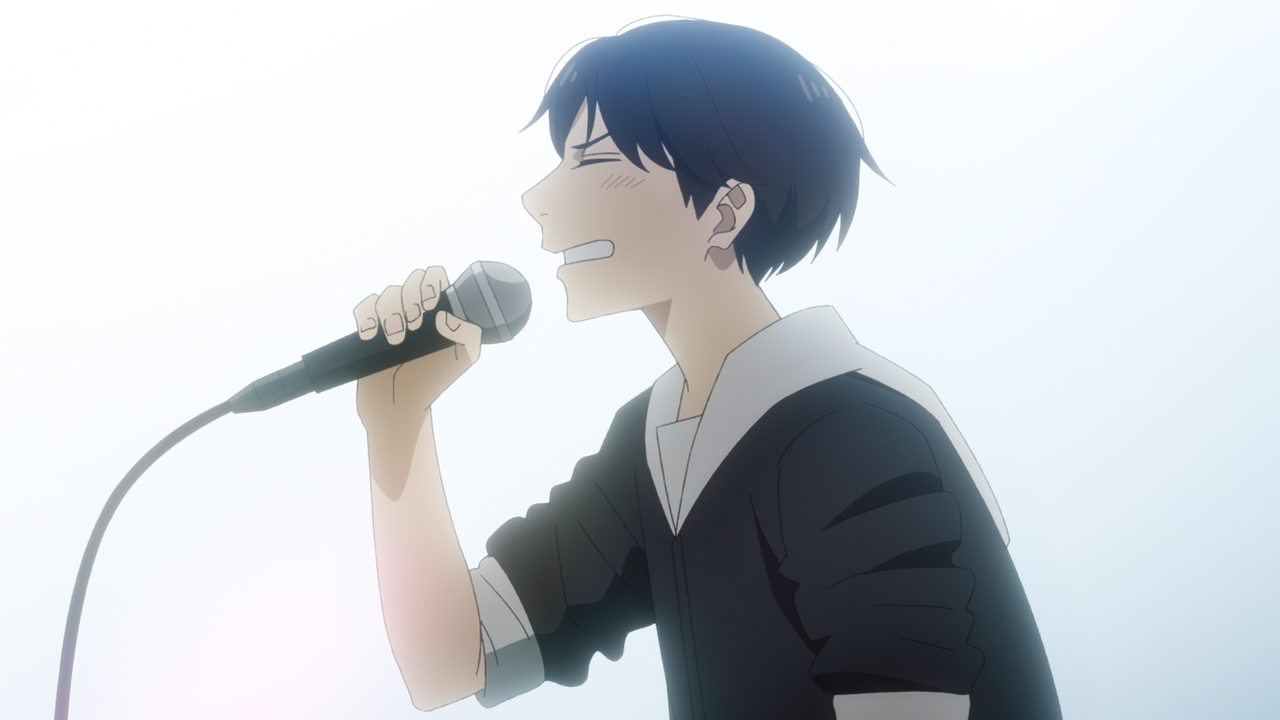
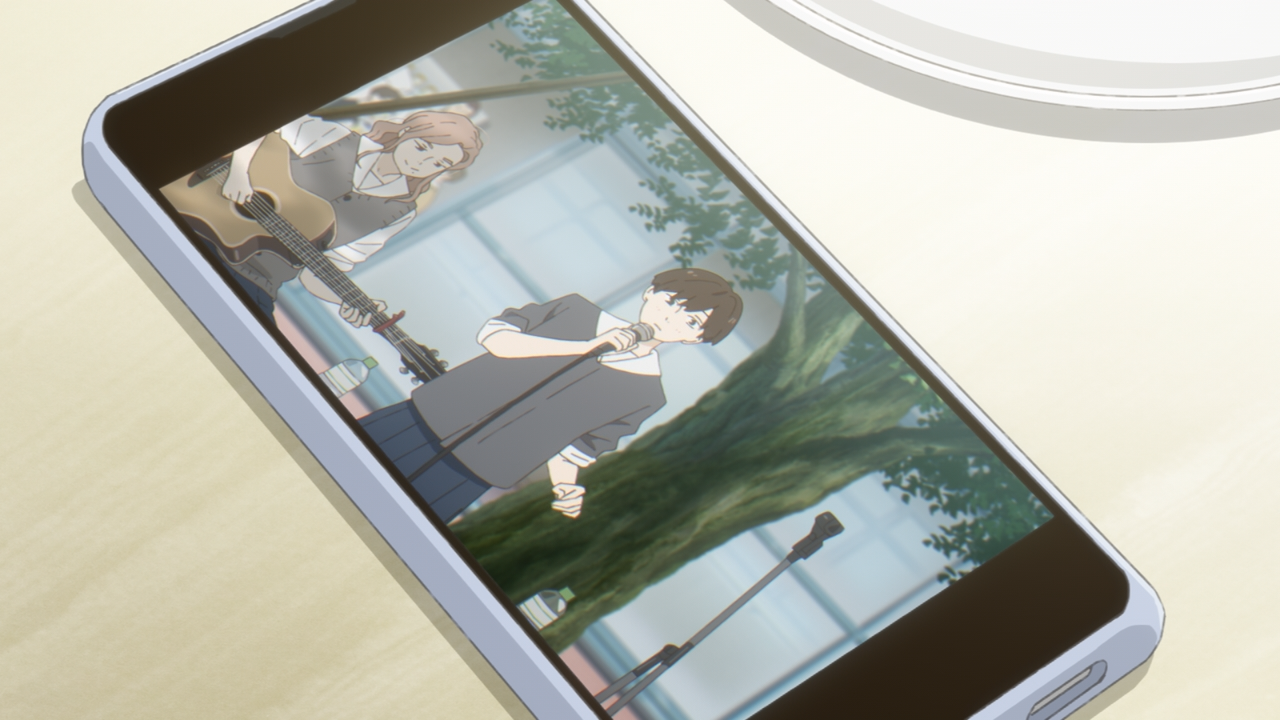
I think the most interesting outcome of the ten year time jump is that it appears Asa didn’t continue into music for a career (though to be fair, really hard to say), but at least it’s an experience she can looked back fondly at, because yes her song did reach the hearts of many, and undoubtedly gave them a bit of comfort, it not inspiration to take that much needed step to move forward.
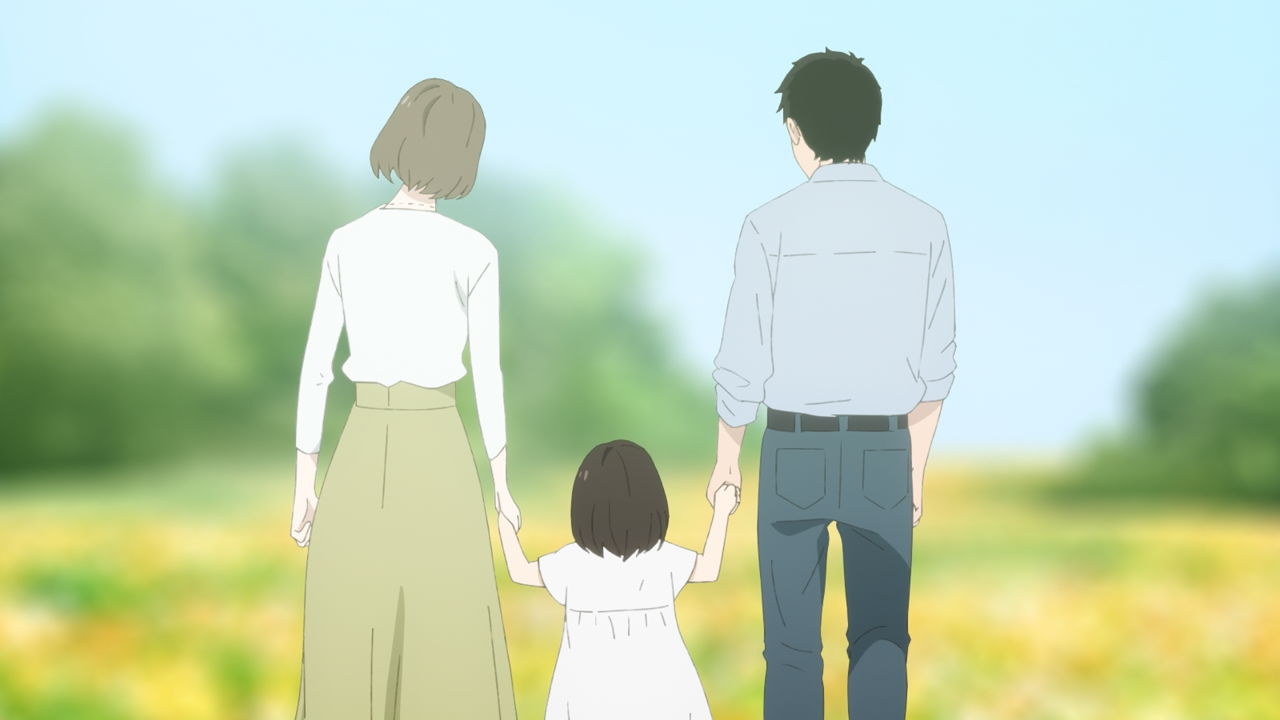
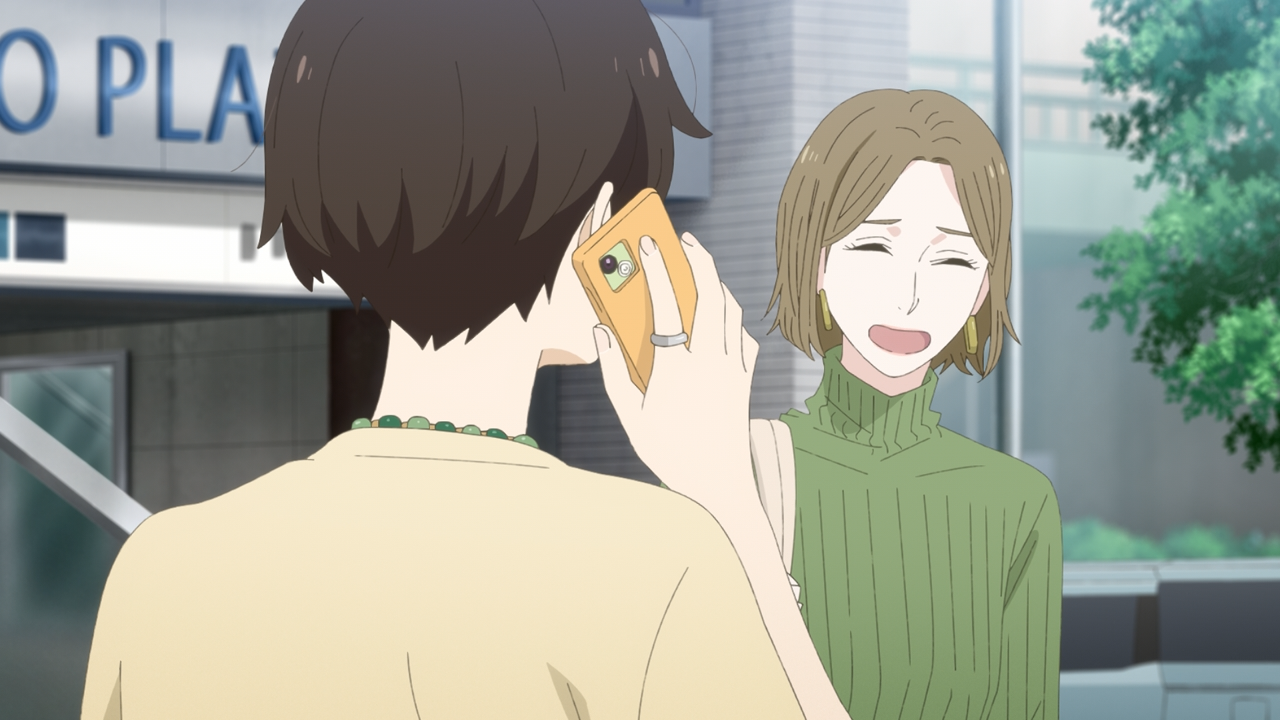
While we’re still on the subject on the time jump: There was one moment that kind of interrupted the momentum, it was the abrupt flash-forward to ten years in the future. The scene was so brief, I had wondered if it been a production mistake, but I rewatched it like five times and concluded it wasn’t. I found it a bit too jarring that threw the focus out of whack. So I wished they hadn’t done that.
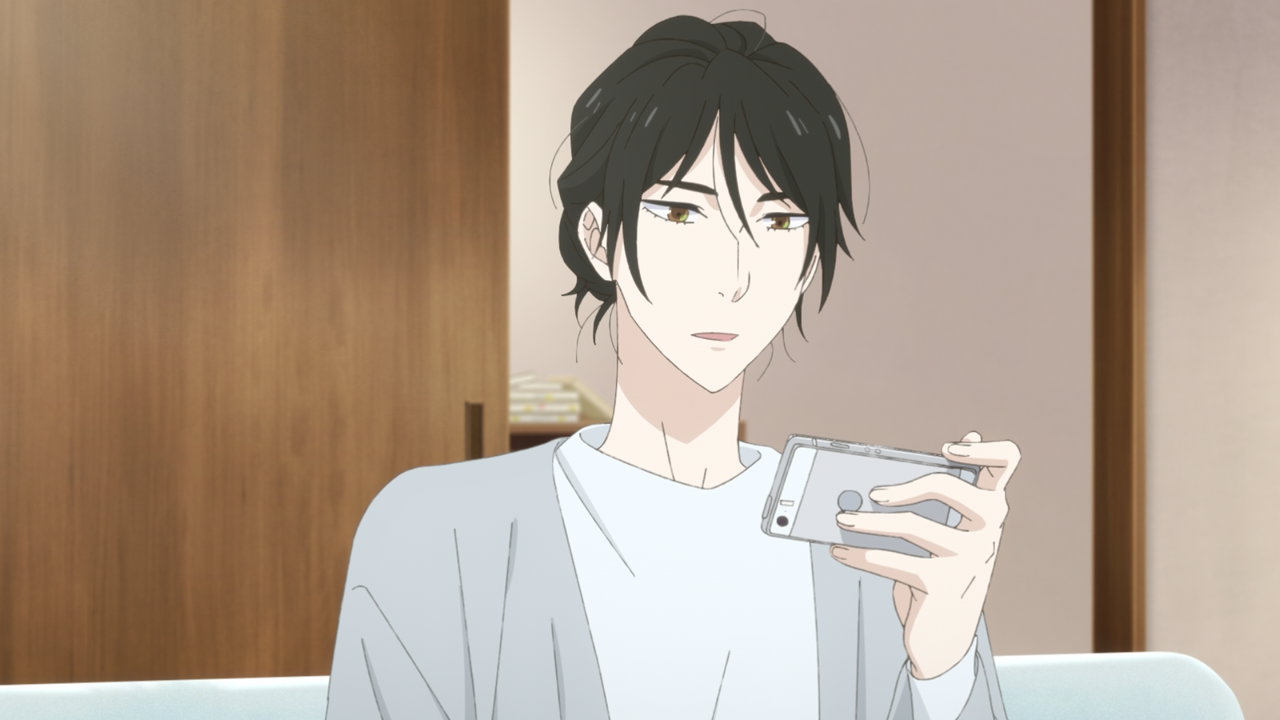
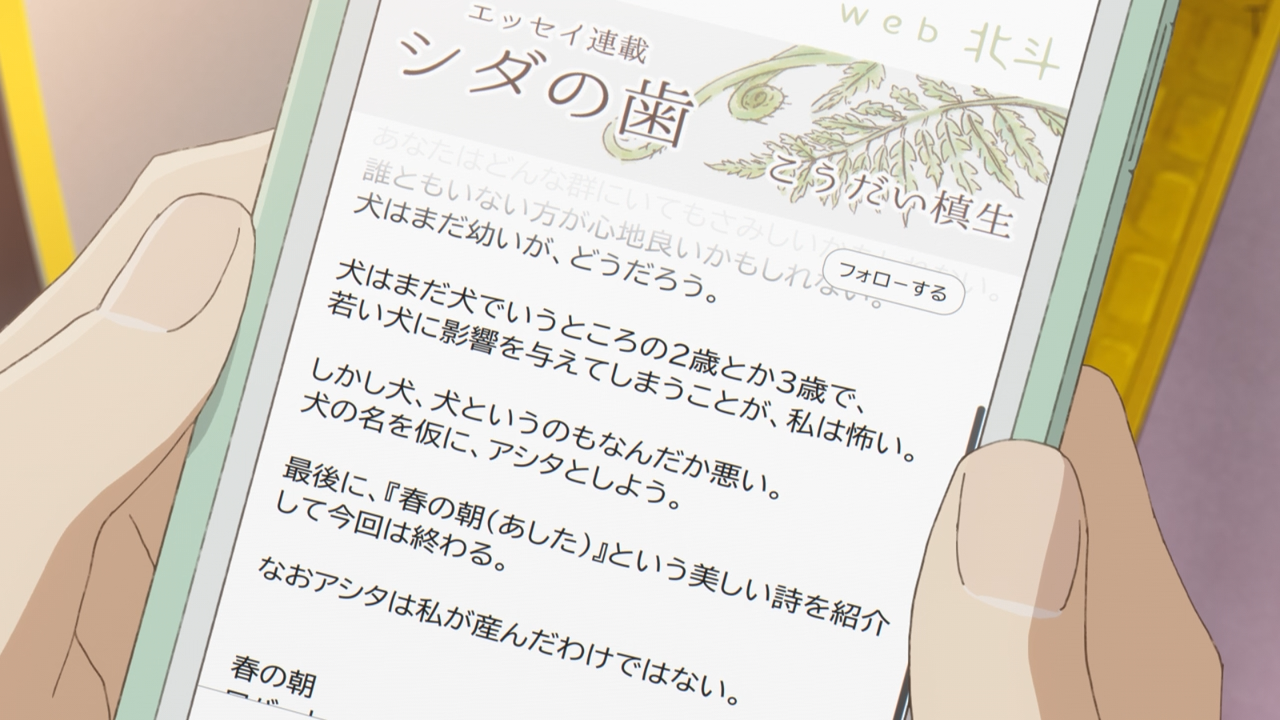
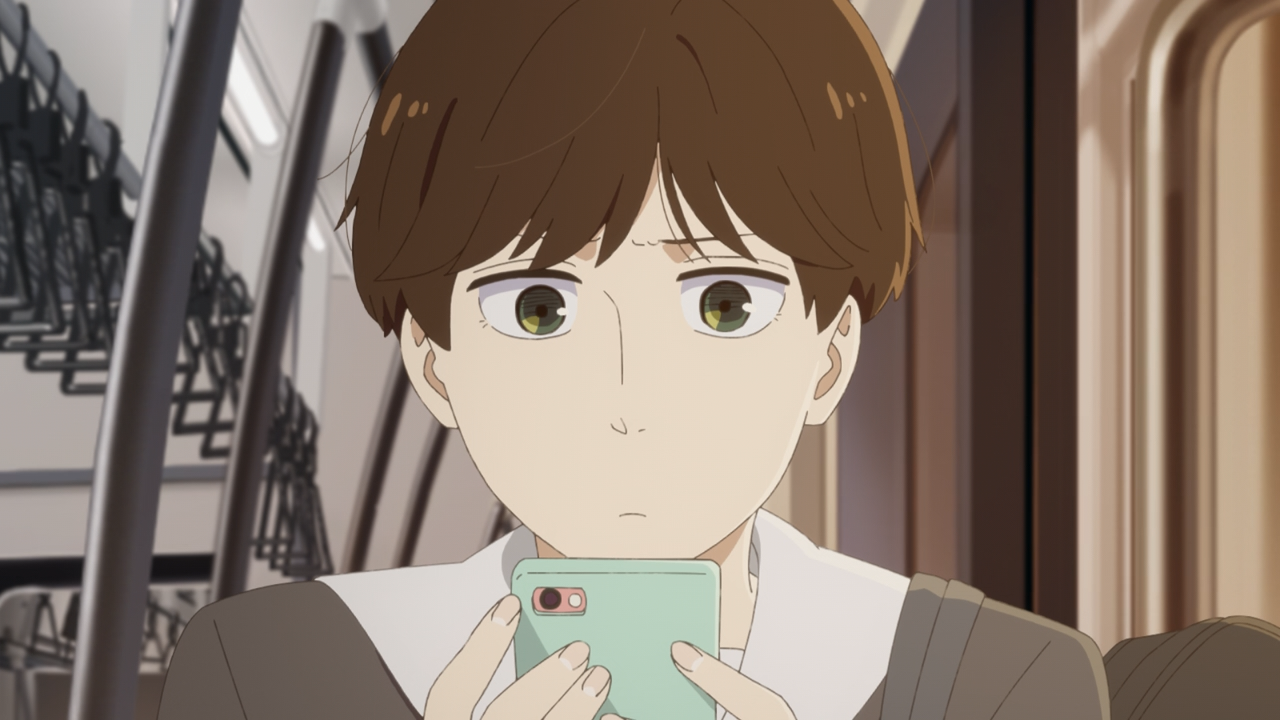
Last but not least, to end things on a more positive note: I thought Makio’s responses were so funny and real about the way she didn’t want to know Asa was reading her stuff. I laughed so hard when she asked if a certain account was Asa’s so she could block her HAHAHA! No stopping her from reading her website though, and that’s where Asa had been reading the post in question! Needless to say, the post using the dog analogy as a substitute for Asa was funny but also accurate given how it really did describe Makio’s experience and difficulties she had to learn to adapt to.
Final Thoughts: 9/10
I’m not exaggerating to say this is probably going to be my all-time favourite title for 2026. Heck, I’d say this is probably my most favourite slice of life series I’ve watched in a long time. I’m a sucker when it comes to stories that so realistically touch on themes that are so relevant to our lives, and characters that we can easily relate to. Better yet, I loved the combination of the characters’ age demographic in this story. It allowed us to see such mature conversations about subjects that are otherwise generally too complicated for teenagers who are still have so much to learn about not just life, but about themselves. Having the adult characters convey what they’ve learned, and how their outlook on life has changed as they’ve grown up was an invaluable way of discussing it in a digestible way.
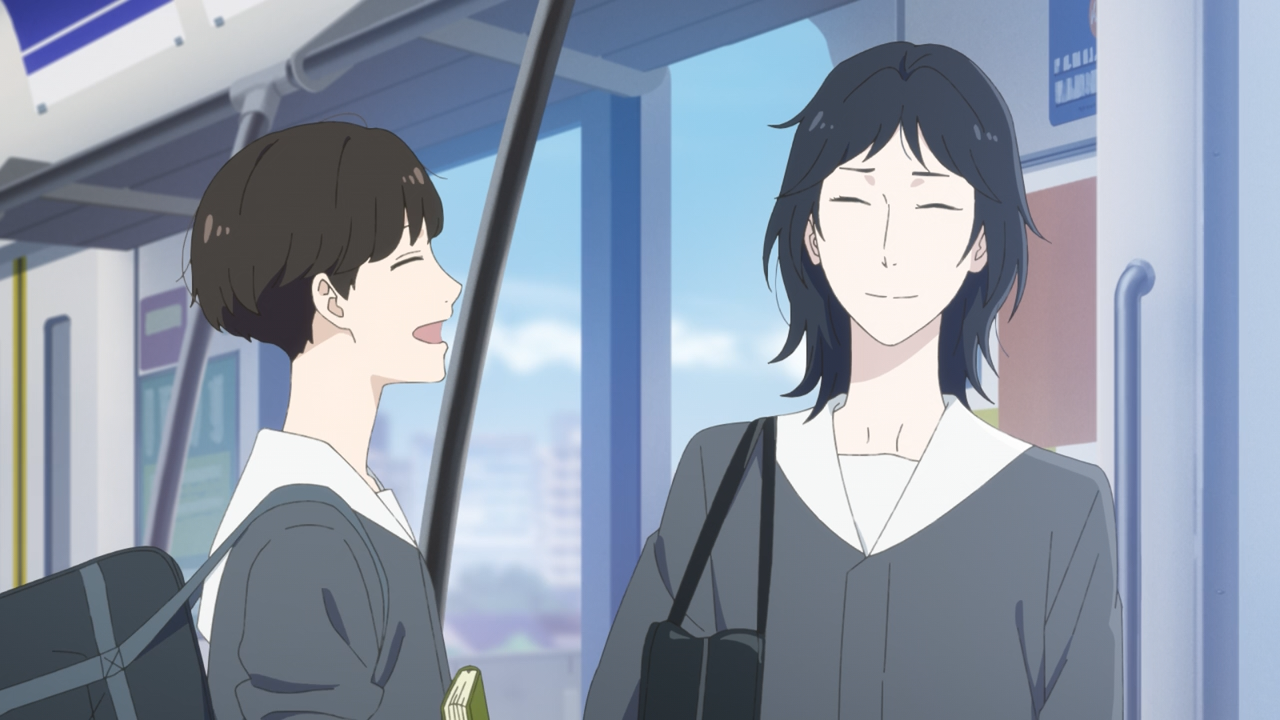
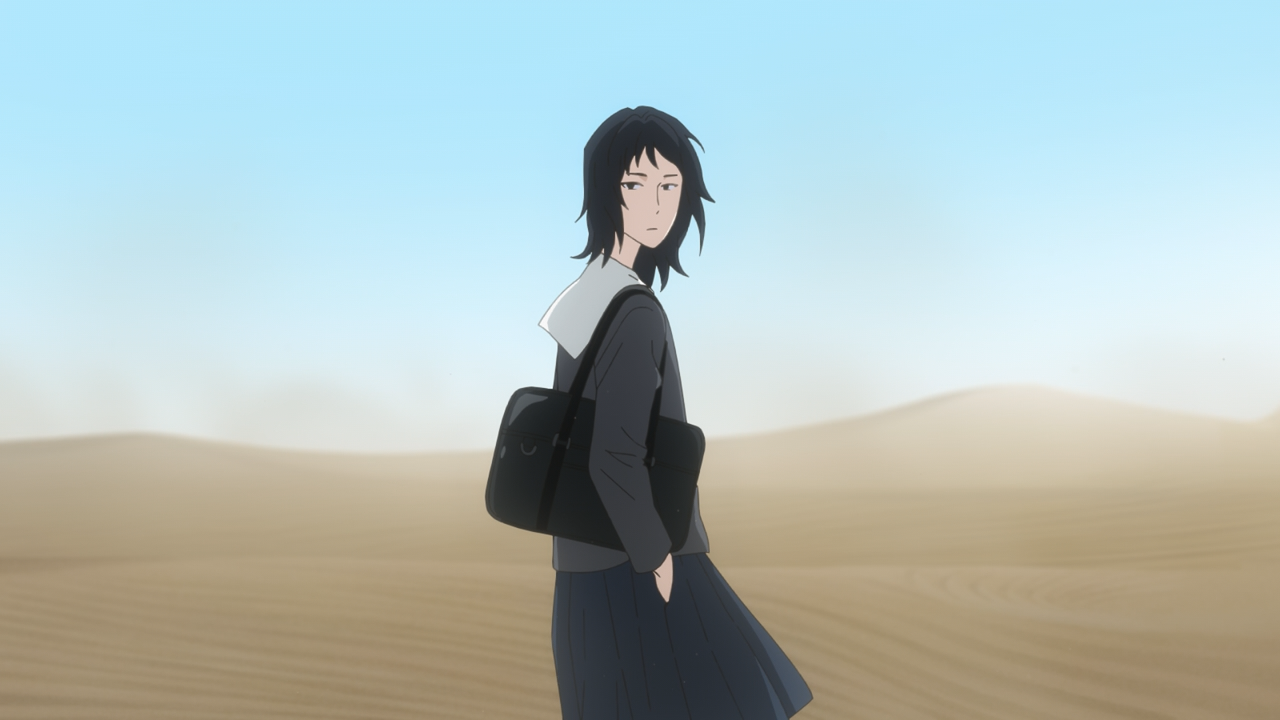
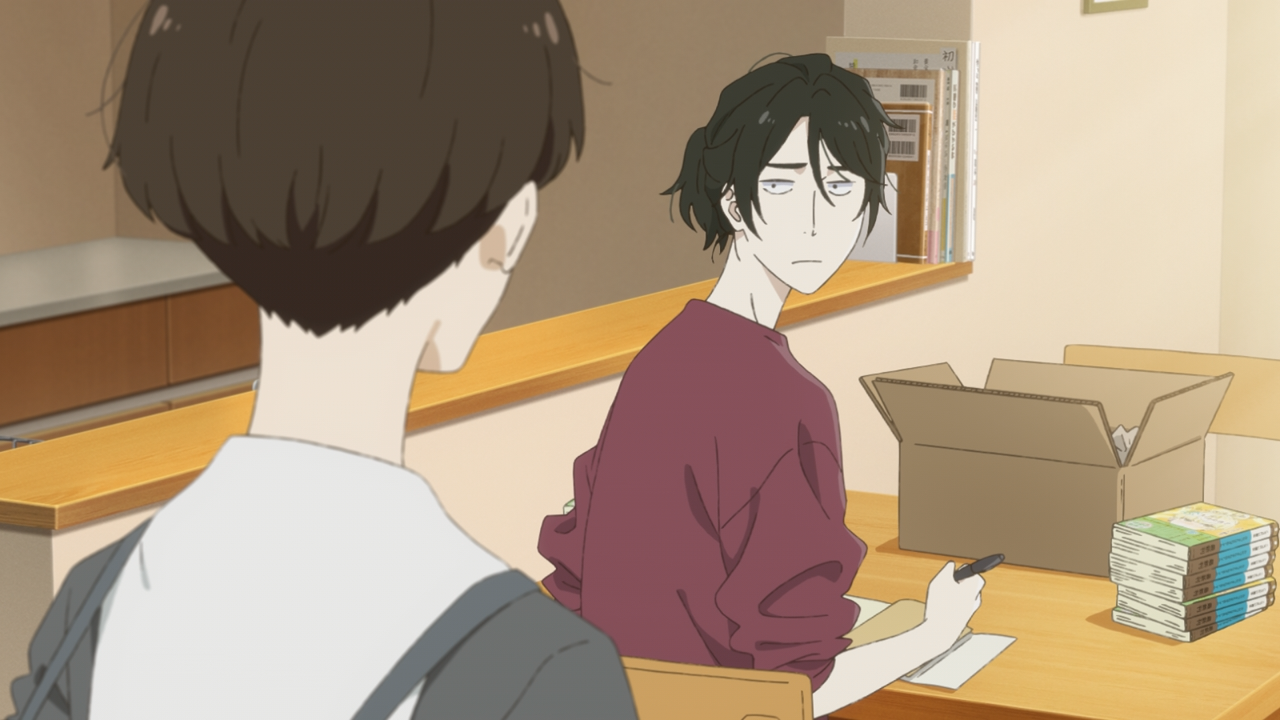
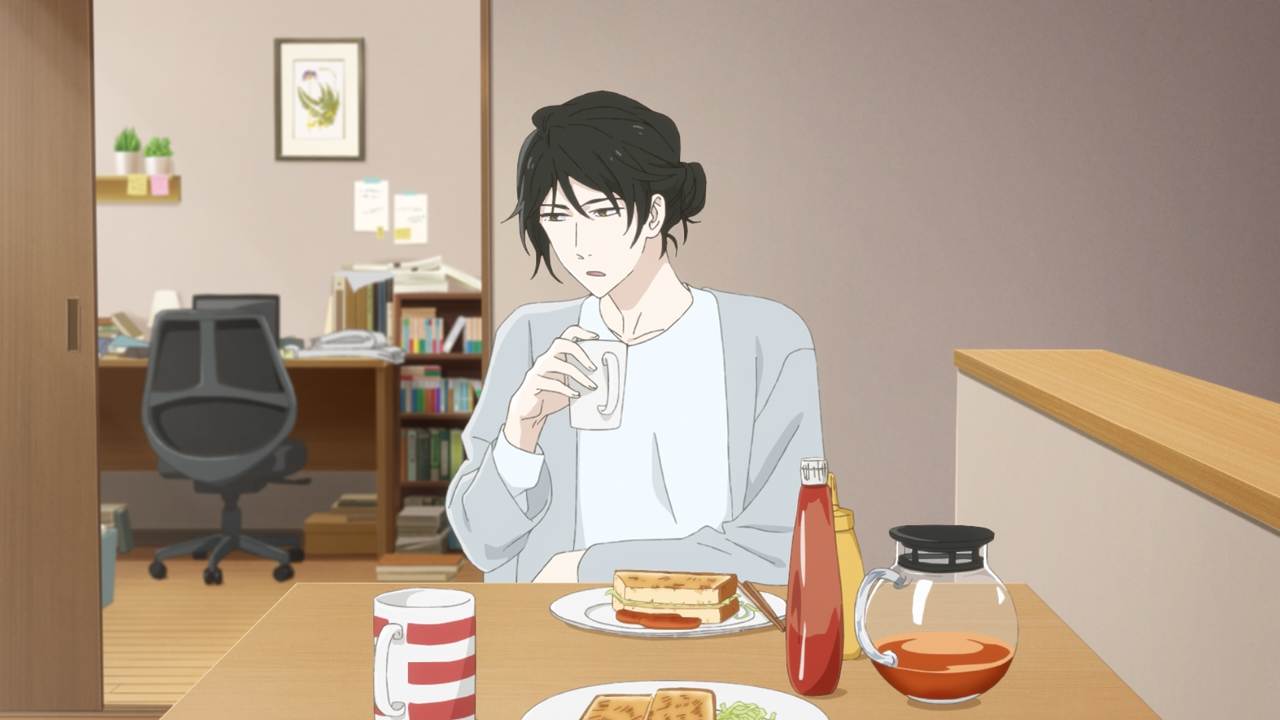
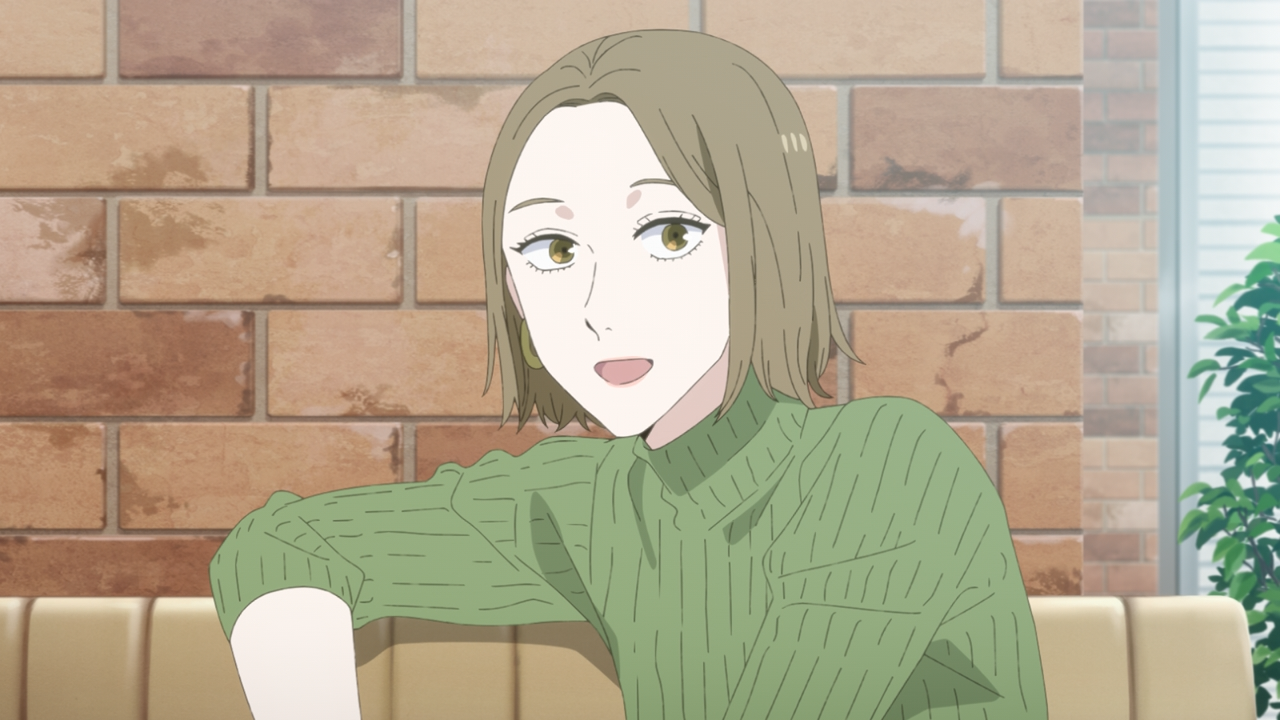
It goes without saying, Makio’s absolutely my favourite character. She’s super relatable in many respects, from the way she gets overwhelmed by tasks and forms that are considered as ‘simple’ for some people. She’s the type who finds comfort in solitude, yet at the same time can have moments when she’s craving for touch, and enjoys hanging out with people she knows she gets along with well. Makio’s also the type of character I greatly admire. She’s the type I look at and go, “I wish I could speak and my convey thoughts as eloquently as that!” She’s also tough as nails, and I wish I had the same ferocity of ambition to press forward when things are tough. Maybe if I had been able to tap into that fervour instead of being consumed by grief and hopelessness, I’d be in a better position than I am now. Perhaps that’s why her advice to “Write with the intent to kill.” struck a chord in me.
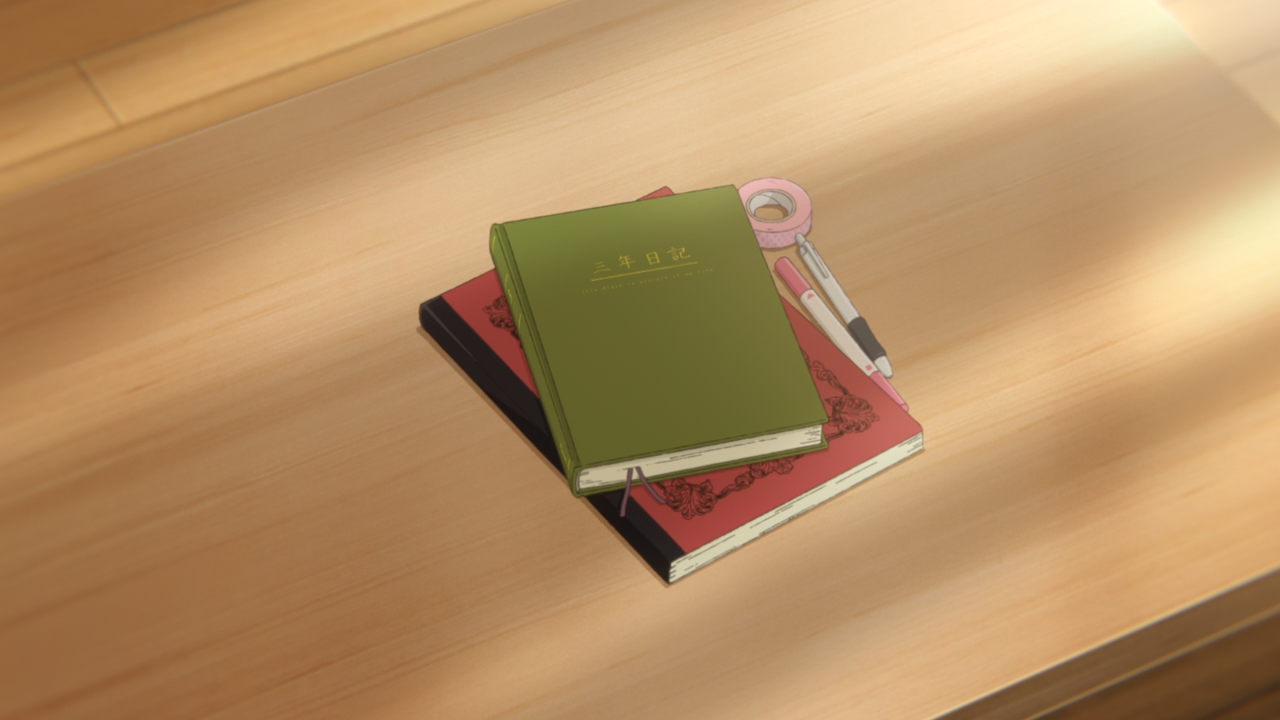
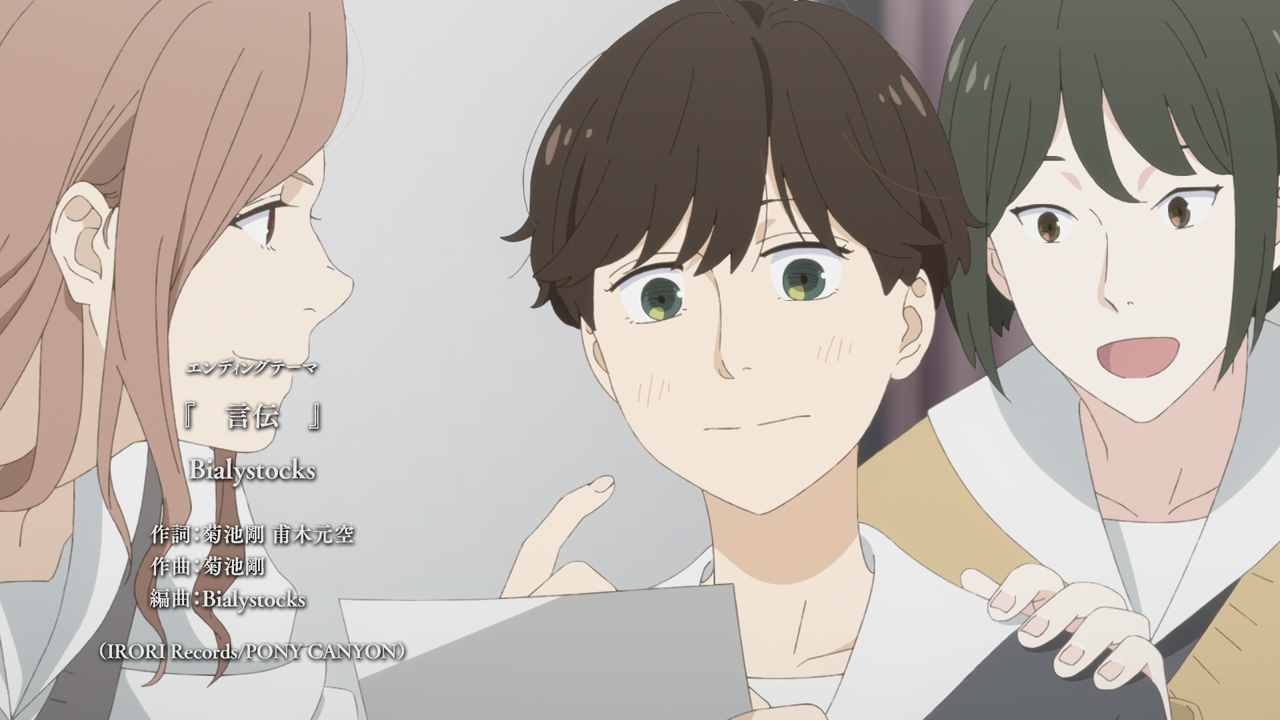
Asa made a great character who is suffers from a great tragedy of losing both of her parents in an accident. She’s written so immaculately well with the way she works her way processing the loss, struggling to cope with the void that has been left behind. In a blink of an eye, her world was turned upside down and inside out. Life was not fair to her, she was struggling to accept their loss, she tried to find ways to fill that emptiness only for all of her efforts to more or less fall flat on her face. When she finds her mother’s journal that was to be given to her at twenty, she becomes confused and angry by its contents, to the point she struggled to understand whether or not her mother truly loved her. It was wonderful to see her work her way through the process of grief, and making the journey of self-discovery of who she wanted to be. Her self-composed song (which was the Opening Theme) was one I always watched every single week because it was so good. It’s a just a shame that we had to wait until this last episode to actually get the lyrics translations. It’s always so frustrating when officially subbed series don’t include translations for the Openings and Endings themes unless it’s a music based series. But I digress.
Minori, Asa’s mother and Makio’s sister was also an interesting, though a pitiful character. She really kept digging herself deeper and deeper into a hole because unlike Makio, she cared too much about about fitting in and how people saw her. As result, she ended up trapping herself in a loveless relationship. She stayed with a man who simply stayed out of obligation and refused to marry her. Minori’s sole happiness was Asa, and all she wanted for her daughter was to be loved.
The relationship between Minori and Makio was a complicated one, and unfortunately it had gotten to the point where the two were never actually going to make amends. She had hurt Makio too much for there to be any hopes to salvaging their relationship. This is yet another point of similarities I’m sure many of us who have not-so-sunny relationships with our relative(s) can share.
Shingo was also super great. I loved the guy, and he was such a nice addition to have in the cast. I particularly loved his relationship with Makio, his patience and understanding that her needs (such as needing solitude as opposed to company) are different from others, and he’s okay with that. Better yet, it was so nice to see a couple that had broken up remain as comfortable friends afterwards, and eventually decided to take a different approach by not being confined the traditional set up of relationships when they realized they still mutually longed for each other. I also greatly appreciated his role in talking about depression and how it impacted him, especially since he’s a male character.
That being said, it was a bit of a shame that we only saw the bare minimum of Emiri’s characters and some others, including Chiyo’s. I do plan to turn to read the manga for this reason. I”m sure there’s more to be fleshed out considering it is eleven volumes long. I enjoyed Emiri’s character a lot, and it was rewarding to see her slowly figure things out for herself, and come to terms that she doesn’t need to be glued to Asa’s side, she’s allowed to have a life of her own, things she can is allowed keep to herself, all while still being friends with her. For that reason, it made me happy to see that they still have a strong friendship ten years later.
Overall Journal with Witch absolutely deserves 9/10. This series is spectacular, it is undoubtedly the dark horse of the season. The pace of it isn’t going to be for everyone, especially if you do have difficulty keeping track of shifting conversations or slower paced story-lines. There were times I had gotten lost and had to backtrack to rewatch the scene to ensure I caught it properly– heck, I think it helped a lot that I was taking notes (as I always do when I cover anything) to fall back to. But if you’re willing, even if this is not necessarily your cup of tea, I do recommend watching it. Odds are you will get something out of this. It’s a story of healing, processing grief, being lost but finding your way back again. Coming to terms that at the end of the day, the most important thing is to be true to yourself, and move forward even when life is not fair and proving to be difficult.
